4 Takeaways from NVIDIA GTC 2026 (And What They Mean for You)
If you thought the AI revolution was peaking, NVIDIA's CEO Jensen Huang just hit the gas pedal at GTC 2026.
The era of just "chatting" with AI is officially in the rearview mirror. We are now entering a world where AI actively thinks, does physical work, and manages complex tasks for us. You don't need a computer science degree to understand where the future is heading—here are the four core takeaways from the keynote, decoded.
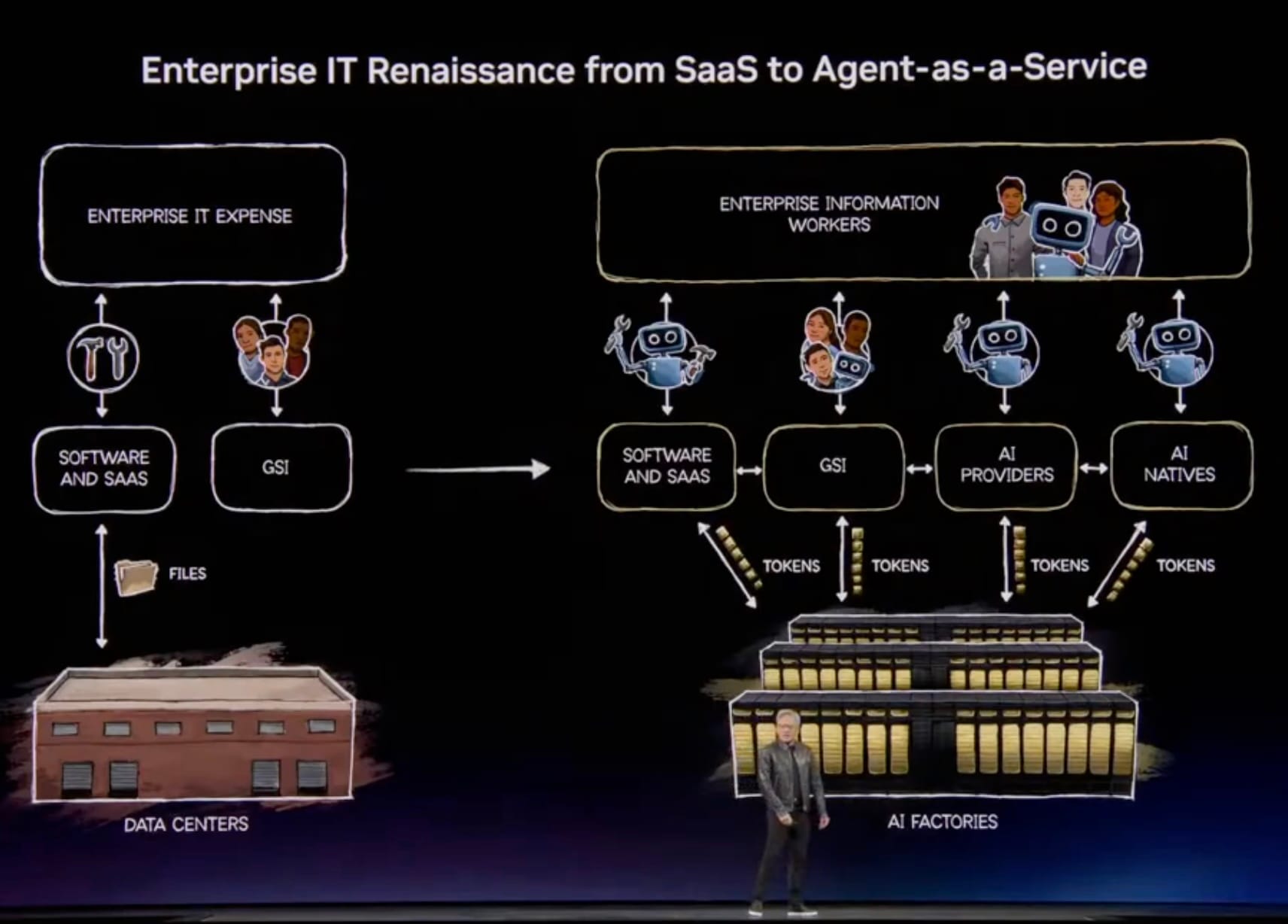
1. Data Centers are Now "Token Factories"
For the past few years, the tech world was obsessed with training AI models. Now, we've hit the "Inference Inflection." This means the focus has shifted to actually using AI to think, reason, and generate outputs.
- The Tech: To keep up, data centers are transforming into highly optimized "AI Factories" designed purely to churn out tokens. NVIDIA's new Vera Rubin architecture, partnered with Groq's high-speed chips, is making this process insanely fast and cost-effective, boosting production speed by 35x.
2. AI is Getting an Operating System: Enter "OpenClaw"
Generative AI is evolving into Agentic AI. Instead of just answering your questions, an AI "agent" can actively use tools, browse files, break down complex problems, and execute multi-step tasks on its own.
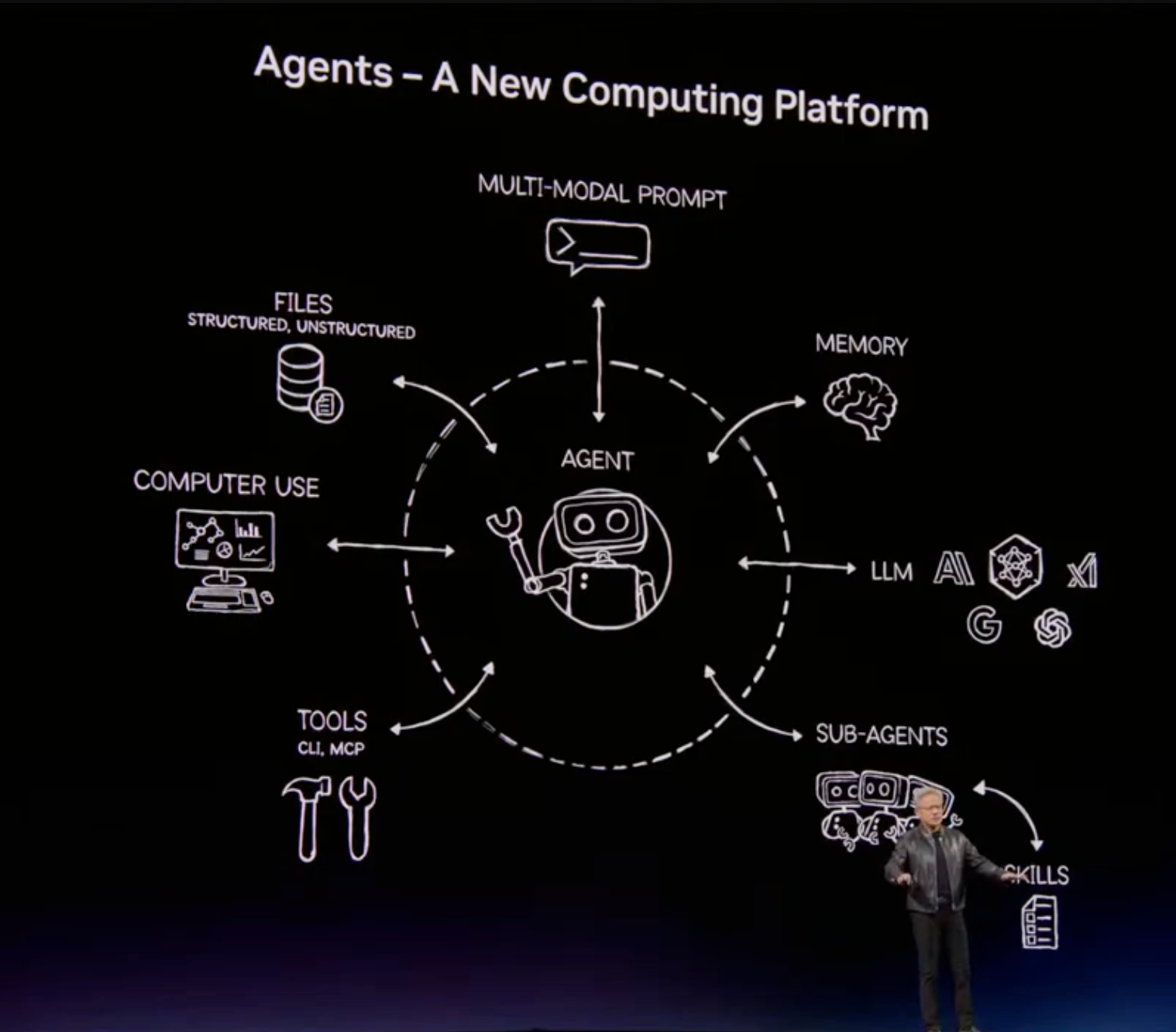
- The Tech: NVIDIA highlighted OpenClaw, an open-source framework that essentially acts as the operating system for AI agents which was launched in Jan 2026. They also introduced NeMoClaw, an enterprise-safe version that allows companies to use these powerful agents without leaking sensitive private data. Soon, AI agents will be treated like digital coworkers.
3. Robotics Just Had Its "ChatGPT Moment"
AI is breaking out of the screen and stepping into the physical world. For a long time, training robots to handle the unpredictable real world was incredibly difficult.
- The Tech: NVIDIA showcased tools like Isaac Lab and Project GR00T, which serve as the foundational "brains" for general-purpose robots. Whether it's an autonomous vehicle navigating a tricky intersection or a humanoid robot learning to walk, they are perfecting their skills in simulated worlds (like NVIDIA's Omniverse) first.
4. The Future of AI is Open and Specialized
There won't be just one massive AI model that rules the world. Different industries need different brains, a self-driving car needs a different AI than a medical diagnostic tool.
- The Tech: They announced a major coalition around NeMoTron, their top-tier open foundation model. This allows developers and companies worldwide to fine-tune AI for their exact, specialized needs without being locked into a single tech giant's walled garden.
The Bottom Line
The next few years aren't just about AI getting smarter; they are about AI getting useful, acting as autonomous agents on our computers and embodied robots in our physical world.